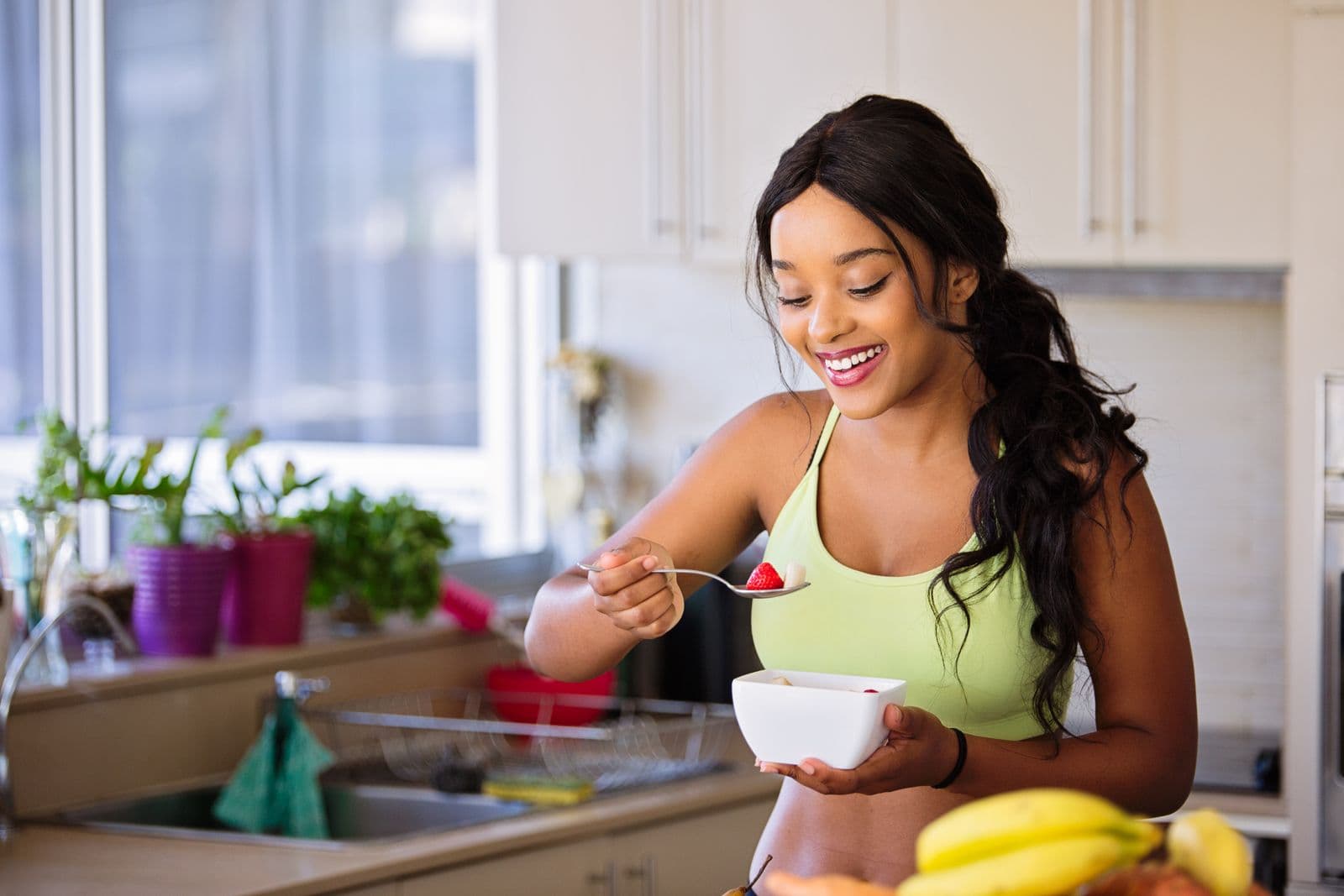
What’s happening in this phase
Overlaps with menstruation at the start, then continues after bleeding ends. Estrogen rises steadily, follicles develop in the ovaries, and one dominant follicle prepares to release an egg. This is often the highest-energy phase — mood lifts, focus sharpens, skin tends to be clearer, and workouts feel easier. Your body is literally rebuilding and preparing.
Common symptoms in this phase
Every body is different — you may notice some of these, all of them, or none at all.
- Rising energy and motivation
- Sharper focus and clearer mood
- Clearer, brighter skin
- Workouts feeling easier
- Better sleep and a lighter appetite
Eating & moving with this phase
Energy is climbing, so lean into lighter, fresh foods: sprouts, moong dal, seasonal fruit, cucumber, and salads, with curd or paneer for protein. If you were anemic during your period, keep iron-rich foods going. This is your strongest window for movement, so schedule strength training, brisk cardio, or a tougher yoga flow.
What helps: Use this higher-energy stretch to tackle demanding workouts and big tasks while your body feels at its best.
What to track & do
- Log cycle day and any symptoms (mood, energy, sleep)
- Use the higher energy — schedule demanding work or workouts
- Strength training is especially effective in this phase
- Continue iron-rich foods if you were anemic during your period
- Prioritize sleep — it supports hormone balance
- Hydrate consistently
What’s normal
Most of what you feel across your cycle is your hormones doing their normal work — it doesn’t need a call. The signs below are the rare exceptions worth checking with your doctor.
When to call your doctor
- Unusual mid-cycle bleeding or spotting
- Pelvic pain that isn't cycle-related cramps
- Breast tenderness that is persistent or asymmetric
- No signs of ovulation after multiple cycles (flat BBT, no CM changes, no LH surge)
Cycle lengths and phases vary from person to person. This is general guidance — if something feels off for you, check with your doctor.
Frequently asked questions
What happens during the follicular phase?
Overlaps with menstruation at the start, then continues after bleeding ends. Estrogen rises steadily, follicles develop in the ovaries, and one dominant follicle prepares to release an egg.
What are common symptoms during the follicular phase?
Common symptoms during the follicular phase include rising energy and motivation; sharper focus and clearer mood; clearer, brighter skin; workouts feeling easier; better sleep and a lighter appetite.
What should I eat and how should I exercise during the follicular phase?
Energy is climbing, so lean into lighter, fresh foods: sprouts, moong dal, seasonal fruit, cucumber, and salads, with curd or paneer for protein. If you were anemic during your period, keep iron-rich foods going. This is your strongest window for movement, so schedule strength training, brisk cardio, or a tougher yoga flow.
When should I see a doctor about my menstrual cycle?
See your doctor if you notice unusual mid-cycle bleeding or spotting; pelvic pain that isn't cycle-related cramps; breast tenderness that is persistent or asymmetric; no signs of ovulation after multiple cycles (flat BBT, no CM changes, no LH surge).
Last updated June 2026
References
Ovyacare’s guidance is written in-house and aligned with leading medical authorities: