Your baby this week
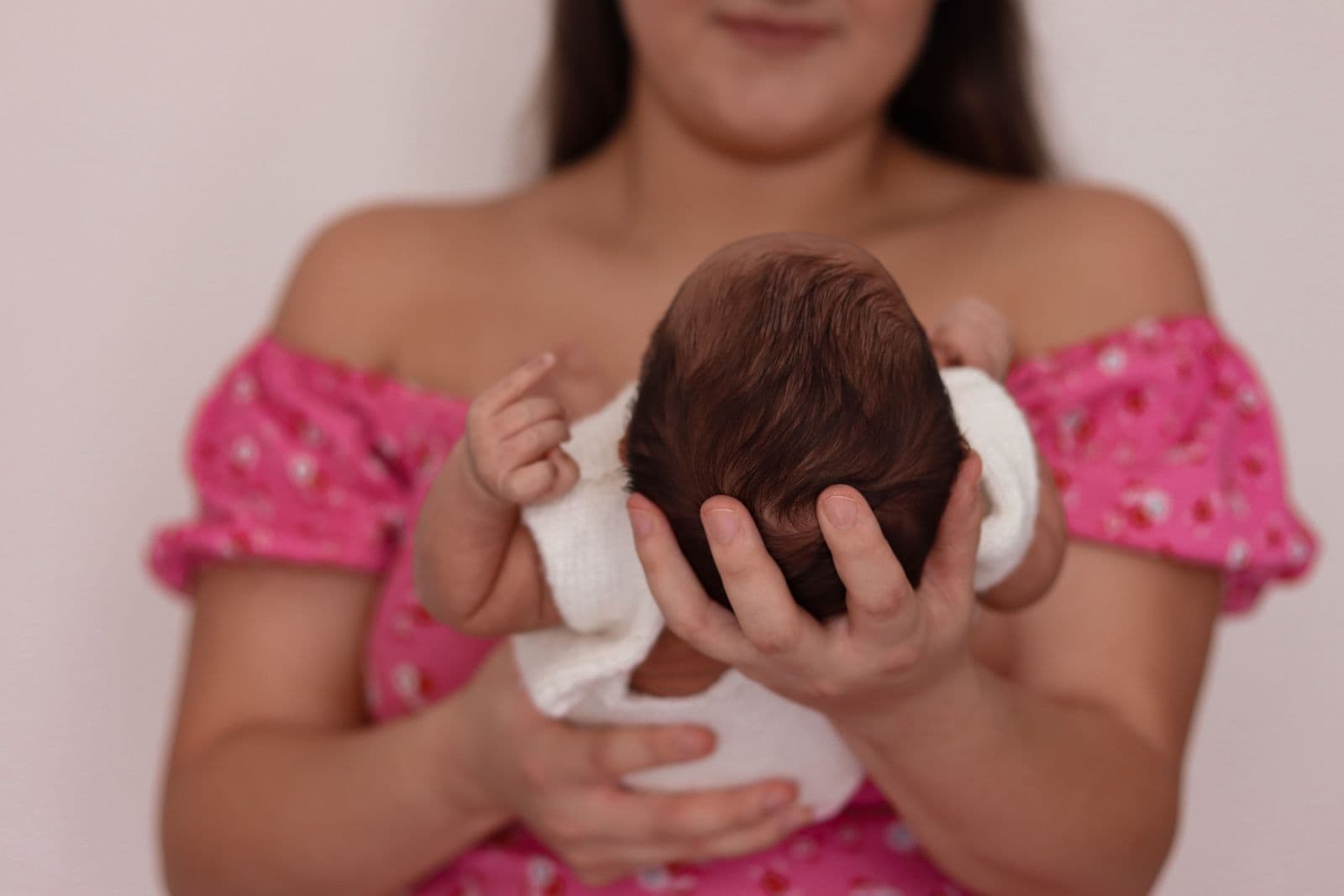
Your baby is growing so fast you might need to do a double-take! Your baby is becoming their own little person with preferences and expressions. Your baby loves exploring with their hands and mouth — everything goes straight in! Your baby can roll from tummy to back (or is working on it) and is fascinated by their own reflection. Your baby babbles chains of sounds and loves when you repeat them back. Those conversations are the highlight of your baby's day.
Your recovery this week
Beyond 12 weeks, your physical recovery is largely complete — though full healing of deep tissues, core strength, and hormonal balance continues for months. Your period may have returned or may still be absent if breastfeeding exclusively. Sleep regression around 4 months is common and can catch you off guard after things seemed to improve. It's a sign of baby's brain developing, not a step backward. You're settling into parenthood — imperfectly, beautifully.
Common symptoms this week
Every recovery is different — you may notice some of these, all of them, or none at all. Be gentle with yourself.
- A largely recovered body
- Period returned or still absent
- Disrupted sleep (4-month regression)
This week’s checklist
- Prepare for the 4-month sleep regression — it will pass
- Continue or start regular exercise routine
- Schedule baby's 4-month vaccination appointment
- If interested, research introducing solids (usually starts around 6 months)
- Check in on your own nutrition — protein, iron, hydration
What’s normal this week
Most of what you’re feeling is your body healing exactly as it should — the everyday aches and changes don’t need a call. The signs below are the rare exceptions: noticing one doesn’t mean something’s wrong, just that it’s worth a quick check.
When to call your doctor
- Persistent pelvic floor issues (leakage, prolapse symptoms)
- Ongoing mood difficulties — PPD can start up to 12 months postpartum
- Pain during intimacy that isn't improving
- Any concerns about baby milestones
This guide offers general information for typical postpartum recovery and is not a substitute for personalised medical advice. Always follow your doctor’s guidance for you and your baby.
Frequently asked questions
What is normal 13 weeks postpartum?
Around 13 weeks after delivery, it is common to experience a largely recovered body, period returned or still absent, disrupted sleep (4-month regression). Every recovery is different.
What happens 13 weeks after delivery?
Beyond 12 weeks, your physical recovery is largely complete — though full healing of deep tissues, core strength, and hormonal balance continues for months. Your period may have returned or may still be absent if breastfeeding exclusively.
When should I call my doctor after delivery?
Call your doctor if you notice persistent pelvic floor issues (leakage, prolapse symptoms); ongoing mood difficulties — PPD can start up to 12 months postpartum; pain during intimacy that isn't improving; any concerns about baby milestones.
Last updated June 2026
References
Ovyacare’s guidance is written in-house and aligned with leading medical authorities: