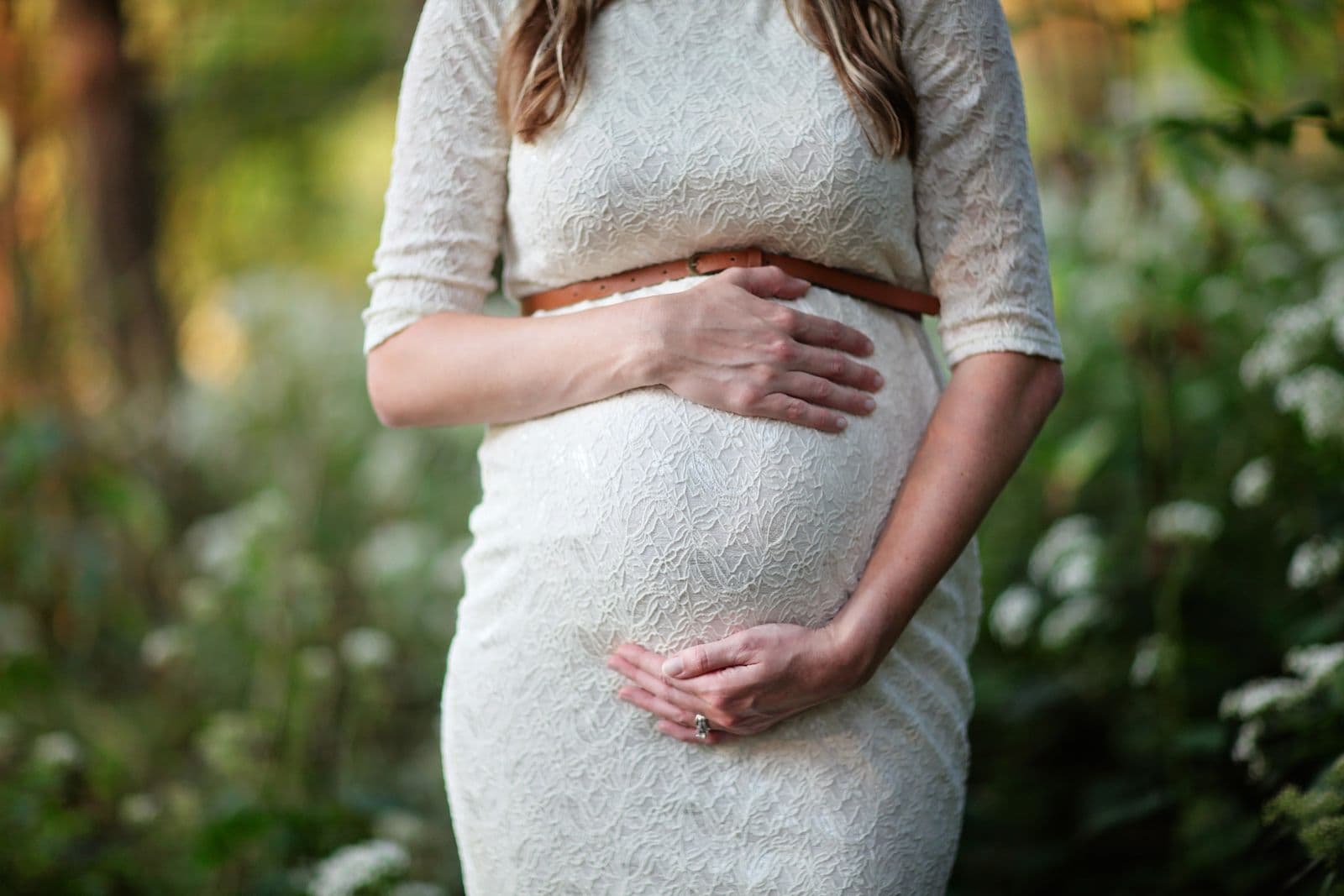
Your baby this week
Your baby has lost most of its fuzzy lanugo coat and waxy vernix covering — though some might still be in the skin creases at birth. The gums are firm and ready for feeding. Your baby is gaining weight every single day. The head might be settling into your pelvis now, especially if this is your first baby. Your baby is getting into position, and the countdown is on.
Your body this week
Prenatal visits are now weekly! Your doctor will check cervix dilation and effacement. Baby movements may feel different — more rolling and stretching, fewer big kicks, as space gets tighter. Pelvic pressure is intense. You might feel 'lightning crotch' — sharp, shooting pains caused by baby pressing on nerves. Everything feels harder, but you are so, so close.
Common symptoms this week
Every pregnancy is different — you may notice some of these, all of them, or none at all. None of this is a checklist to worry over.
- Rolling, stretching movements
- Intense pelvic pressure
- Lightning crotch (sharp jolts)
- Fewer big kicks, tighter space
This week’s checklist
- Weekly prenatal visits start — cervix checks may begin
- Hospital bag packed and by the door
- Know the signs: regular contractions, water breaking, bloody show
- Save your hospital's phone number in your phone
- Make arrangements for pets and older children during delivery
What’s normal this week
Most of what you’re feeling is your body doing exactly what it should — the everyday symptoms don’t need a call. The signs below are the rare exceptions: noticing one doesn’t mean something’s wrong, just that it’s worth a quick check.
When to call your doctor
- Regular contractions 5 minutes apart for 1 hour
- Water breaking (clear or green-tinged fluid)
- Vaginal bleeding (more than bloody show)
This guide offers general information for a typical pregnancy and is not a substitute for personalised medical advice. Always follow your doctor or midwife’s guidance for your situation.
Frequently asked questions
How big is my baby at 36 weeks pregnant?
At 36 weeks pregnant, your baby is about the size of a papaya.
What are common symptoms at 36 weeks pregnant?
Common symptoms around 36 weeks pregnant include rolling, stretching movements; intense pelvic pressure; lightning crotch (sharp jolts); fewer big kicks, tighter space. Every pregnancy is different — you may notice some of these, all of them, or none at all.
What is developing at 36 weeks pregnant?
Your baby has lost most of its fuzzy lanugo coat and waxy vernix covering — though some might still be in the skin creases at birth. The gums are firm and ready for feeding.
When should I call my doctor at 36 weeks pregnant?
Call your doctor at 36 weeks if you notice regular contractions 5 minutes apart for 1 hour, water breaking (clear or green-tinged fluid), vaginal bleeding (more than bloody show).
Last updated June 2026
References
Ovyacare’s guidance is written in-house and aligned with leading medical authorities: