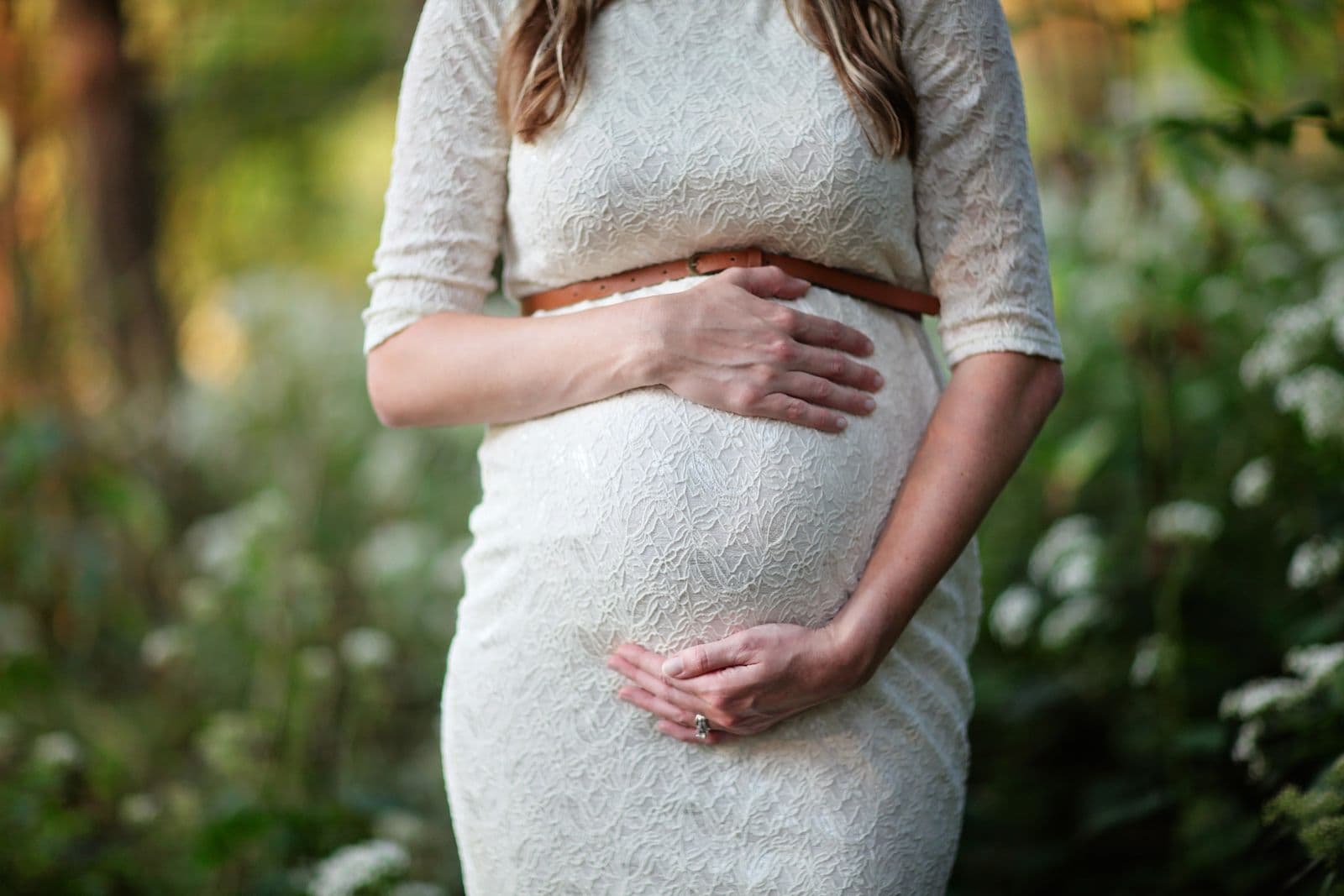
Your baby this week
Your baby is covered in soft, fine hair called lanugo — it helps keep your baby warm in there. The neck is getting longer so your baby can hold the head up more. Your baby can squint, frown, and make facial expressions now — practicing all the time. The roof of the mouth is formed, and the liver is working hard. Your baby is getting stronger every day.
Your body this week
Energy levels are rising — enjoy it! Some women feel an early nesting instinct kicking in. You may notice increased appetite and cravings. Nasal congestion ('pregnancy rhinitis') can appear as blood vessels expand. This is a great time to start or continue regular exercise — walking, swimming, and prenatal yoga are all wonderful choices.
Common symptoms this week
Every pregnancy is different — you may notice some of these, all of them, or none at all. None of this is a checklist to worry over.
- Rising energy levels
- Early nesting urges
- Bigger appetite and cravings
- A stuffy nose (pregnancy rhinitis)
This week’s checklist
- Schedule the TIFFA scan (usually between weeks 18-22)
- Stay active — swimming, walking, and prenatal yoga
- Use saline drops or a humidifier for pregnancy congestion
- Eat iron-rich foods daily — anaemia is common in Indian pregnancies. A dietitian can create a plan suited to your diet.
- Continue daily IFA (Iron + Folic Acid) tablets — anaemia is common in Indian pregnancies
- Use extra pillows for comfort as your body changes — a pregnancy pillow can help
What’s normal this week
Most of what you’re feeling is your body doing exactly what it should — the everyday symptoms don’t need a call. The signs below are the rare exceptions: noticing one doesn’t mean something’s wrong, just that it’s worth a quick check.
When to call your doctor
- Headaches that are severe or come with vision changes
- Nosebleeds that don't stop
- Sudden or unusual swelling
This guide offers general information for a typical pregnancy and is not a substitute for personalised medical advice. Always follow your doctor or midwife’s guidance for your situation.
Frequently asked questions
How big is my baby at 14 weeks pregnant?
At 14 weeks pregnant, your baby is about the size of a lemon.
What are common symptoms at 14 weeks pregnant?
Common symptoms around 14 weeks pregnant include rising energy levels, early nesting urges, bigger appetite and cravings, a stuffy nose (pregnancy rhinitis). Every pregnancy is different — you may notice some of these, all of them, or none at all.
What is developing at 14 weeks pregnant?
Your baby is covered in soft, fine hair called lanugo — it helps keep your baby warm in there. The neck is getting longer so your baby can hold the head up more.
When should I call my doctor at 14 weeks pregnant?
Call your doctor at 14 weeks if you notice headaches that are severe or come with vision changes, nosebleeds that don't stop, sudden or unusual swelling.
Last updated June 2026
References
Ovyacare’s guidance is written in-house and aligned with leading medical authorities: