Your baby this week
Your baby can sense light now! Even though the eyelids are still sealed shut, your baby will turn away if you shine a bright light on your belly. The tiny bones in the ears are forming, and your baby is starting to hear muffled sounds from the outside world. The legs are longer than the arms now, and your baby is doing somersaults, flips, and twists — building muscles for the big day.
Your body this week
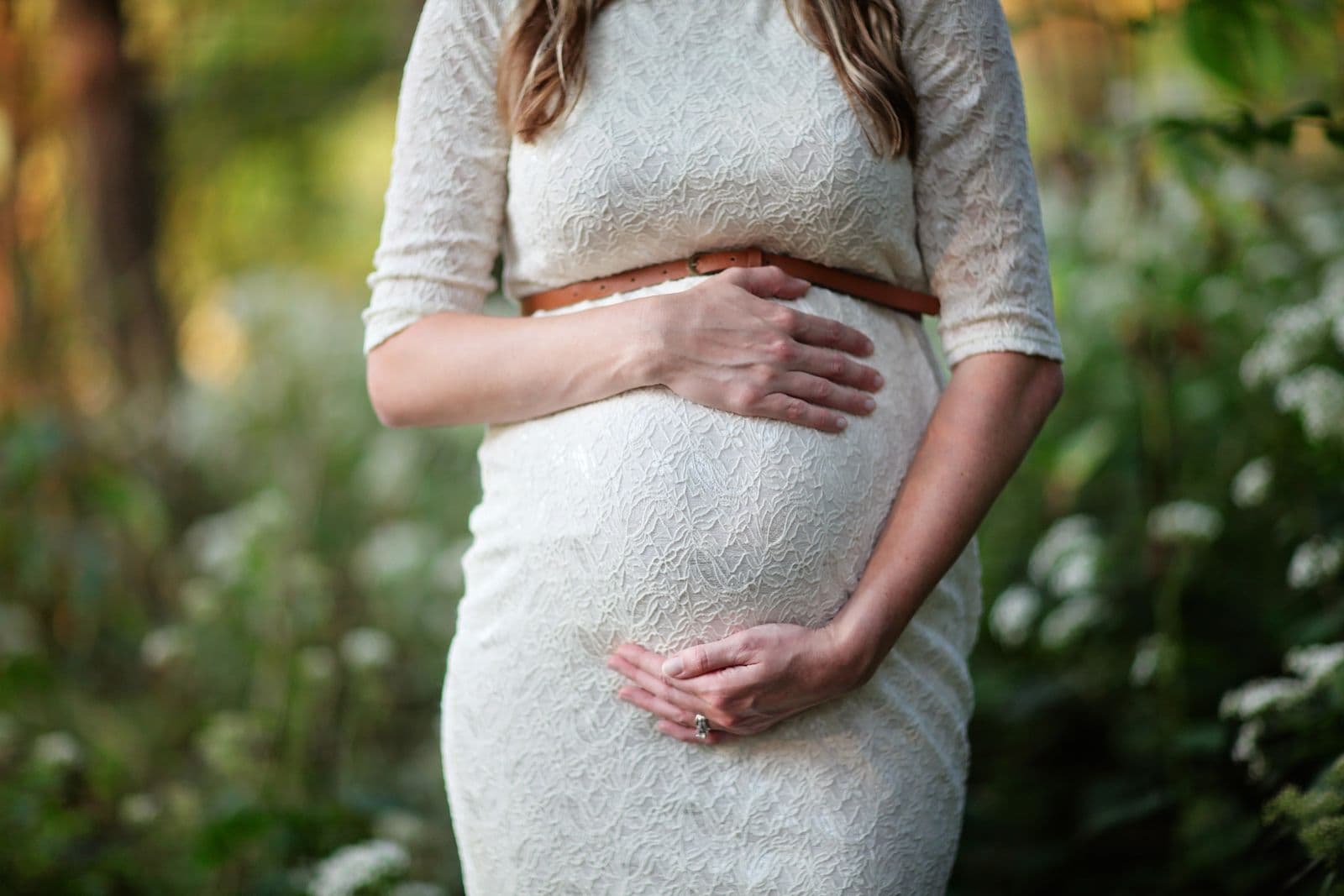
Your heart is pumping about 20% more blood than before pregnancy. You may feel it racing occasionally — this is normal. Increased blood flow to mucous membranes may cause nosebleeds and gum bleeding when brushing. Your bump is more noticeable now. If this isn't your first pregnancy, you may start feeling fluttery movements called 'quickening' — like little butterflies inside.
Common symptoms this week
Every pregnancy is different — you may notice some of these, all of them, or none at all. None of this is a checklist to worry over.
- An occasional racing heartbeat
- Nosebleeds
- Bleeding gums when brushing
- A more noticeable bump
- First fluttery movements
This week’s checklist
- Do Kegel exercises daily to strengthen your pelvic floor
- Moisturize your belly as your skin stretches
- Eat vitamin C-rich foods to help with bleeding gums
- Consider a pregnancy pillow for more comfortable sleep
- Triple Marker Test (AFP, hCG, uE3) — if you missed the Double Marker Test
What’s normal this week
Most of what you’re feeling is your body doing exactly what it should — the everyday symptoms don’t need a call. The signs below are the rare exceptions: noticing one doesn’t mean something’s wrong, just that it’s worth a quick check.
When to call your doctor
- Heavy nosebleeds that don't stop with pressure
- Heart palpitations that feel frequent or worrying
- Decreased energy or extreme dizziness
This guide offers general information for a typical pregnancy and is not a substitute for personalised medical advice. Always follow your doctor or midwife’s guidance for your situation.
Frequently asked questions
How big is my baby at 15 weeks pregnant?
At 15 weeks pregnant, your baby is about the size of an apple.
What are common symptoms at 15 weeks pregnant?
Common symptoms around 15 weeks pregnant include an occasional racing heartbeat, nosebleeds, bleeding gums when brushing, a more noticeable bump, first fluttery movements. Every pregnancy is different — you may notice some of these, all of them, or none at all.
What is developing at 15 weeks pregnant?
Your baby can sense light now! Even though the eyelids are still sealed shut, your baby will turn away if you shine a bright light on your belly.
When should I call my doctor at 15 weeks pregnant?
Call your doctor at 15 weeks if you notice heavy nosebleeds that don't stop with pressure, heart palpitations that feel frequent or worrying, decreased energy or extreme dizziness.
Last updated June 2026
References
Ovyacare’s guidance is written in-house and aligned with leading medical authorities: